Have you ever wondered what makes a traditional afternoon tea so special? It’s more than just sipping tea and nibbling on treats—it’s a charming ritual filled with history, elegance, and precise customs.
Whether you’re planning your first authentic British-style tea or simply curious about this timeless tradition, understanding the key customs will help you fully enjoy the experience. From the right way to hold your teacup to the order of the delicious bites, these classic afternoon tea customs are sure to captivate you.
Keep reading, and you’ll discover how to embrace this graceful tradition with confidence and style.

Credit: mai-ko.com
Origins Of Afternoon Tea
The tradition of afternoon tea is a cherished British custom with deep historical roots. It began as a simple way to fill the long gap between lunch and dinner. Over time, it transformed into a refined social ritual enjoyed by many.
This section explores the origins of afternoon tea and how it evolved into the elegant practice known today.
Early British Roots
Afternoon tea started in the early 1800s in England. Anna, the Duchess of Bedford, felt hungry in the late afternoon. She asked for tea and a light snack to be served. This small meal helped her avoid the long wait until dinner.
Her idea became popular among the upper class. They gathered to enjoy tea, sandwiches, and cakes. This habit soon spread across Britain.
Evolution Over Time
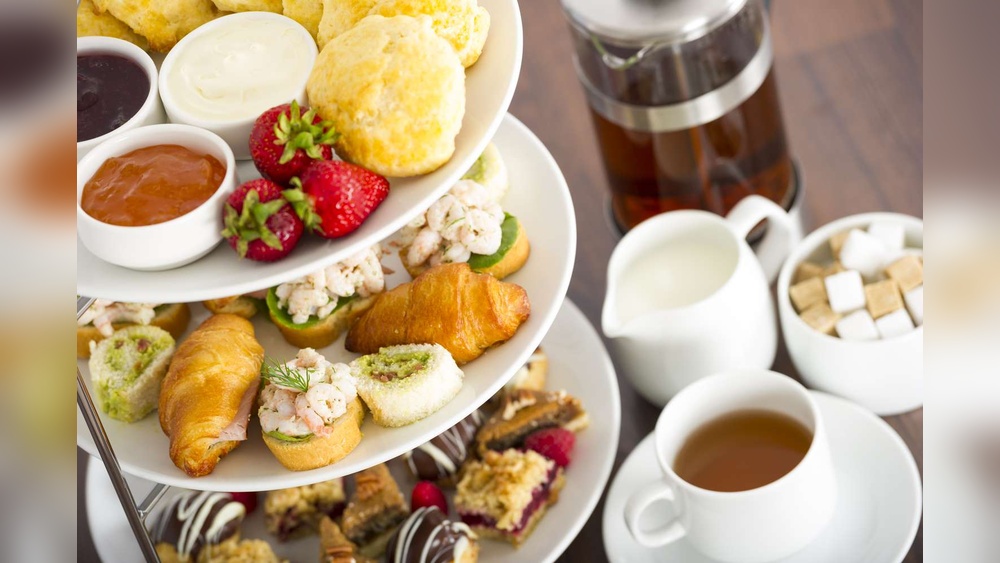
Afternoon tea grew into a social event with specific customs. Fine china, elegant silverware, and tiered trays became common. The food selection expanded to include finger sandwiches, scones with clotted cream, and pastries.
By the Victorian era, afternoon tea was a symbol of sophistication. It brought people together for conversation and relaxation. Today, it remains a beloved tradition in many British homes and hotels.
Key Elements Of Traditional Tea
Traditional afternoon tea is a delightful experience that combines taste and etiquette. It offers a peaceful moment in the busy day. The key elements of traditional tea create a perfect balance of flavors and textures. Each part has its own special role to play. These components come together to form a memorable tea ritual.
Selection Of Teas
Tea choice is essential to traditional afternoon tea. Black teas like Earl Grey and Darjeeling are popular. They have rich flavors that suit the occasion. Some prefer green or herbal teas for a lighter taste. The tea should be brewed fresh and served hot. Proper steeping brings out the best aroma and flavor.
Classic Sandwiches
Small finger sandwiches are a must-have for afternoon tea. Cucumber sandwiches are the classic choice. Others include egg salad, smoked salmon, and ham with mustard. The bread is thinly sliced and crusts are removed. These sandwiches are light and easy to eat, complementing the tea perfectly.
Scones And Spreads
Scones are the heart of the afternoon tea spread. They are soft, slightly sweet, and served warm. Traditionally, scones come with clotted cream and jam. The cream is thick and rich, while the jam is fruity and sweet. This combination is a true British tea-time classic.
Pastries And Cakes
Afternoon tea includes a variety of pastries and small cakes. Delicate treats like macarons, tarts, and sponge cakes are common. They add a sweet finish to the tea experience. These desserts are usually bite-sized and beautifully decorated. They offer a tasty contrast to the savory sandwiches and scones.
Proper Tea Etiquette
Proper tea etiquette is key to enjoying a traditional afternoon tea. It shows respect for the custom and the people around you. Simple rules guide behavior at the tea table. These customs create a calm and pleasant experience for everyone.
Knowing how to behave helps you fit into the tradition easily. Polite actions and small gestures make a big difference. Learn the basics of table manners, how to hold your teacup, use milk and sugar, and dress appropriately.
Table Manners
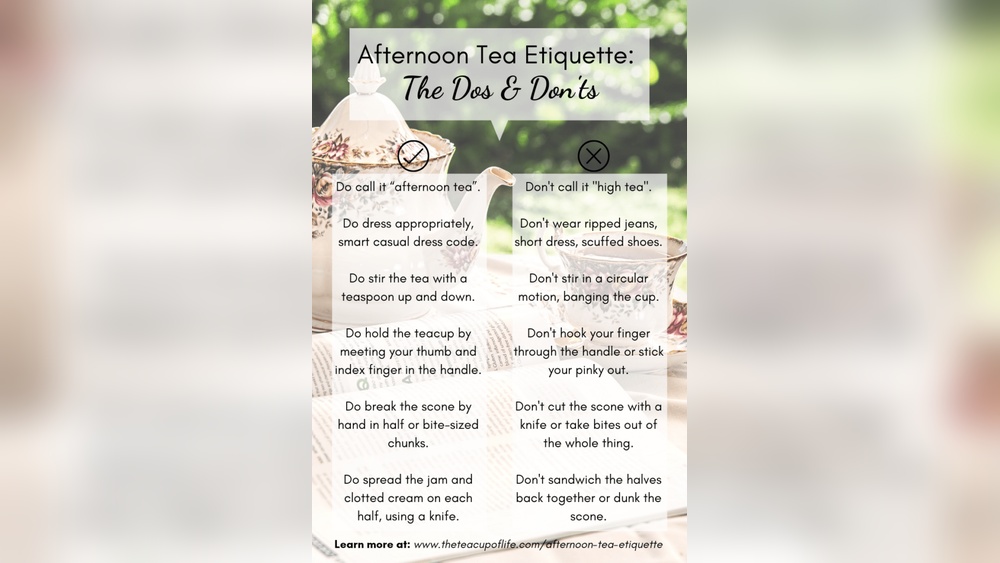
Keep your elbows off the table during tea. Use your napkin to dab your mouth gently. Wait for everyone to be served before drinking. Take small bites and chew quietly. Speak softly and listen to others. These habits keep the atmosphere polite and relaxed.
Handling The Teacup
Hold the teacup by the handle with your thumb and forefinger. Rest your middle finger below the handle for support. Do not wrap your hand around the cup. Avoid lifting your pinkie finger. Sip gently without slurping or clinking the cup on the saucer.
Milk And Sugar Customs
Traditionally, pour the tea first, then add milk. Use a small spoon to stir the tea slowly. Avoid stirring too much or loudly. Add sugar sparingly to taste. Never leave the spoon in the cup when drinking. These steps show respect for the tea’s flavor.
Dress Code Tips
Dress smartly and neatly for afternoon tea. Avoid casual clothes like jeans and sportswear. Choose simple, elegant outfits such as dresses or slacks with blouses. Hats, fascinators, and gloves are usually not required. Aim for a polished look that suits the occasion.
Afternoon Tea Vs High Tea
Many confuse afternoon tea with high tea. Both involve tea and food but differ greatly. Knowing the differences helps appreciate these British traditions better. Here is a clear guide to help you understand.
Differences In Timing
Afternoon tea usually happens between 3 and 5 p.m. It is a light meal to break the long afternoon. High tea is served later, around 5 to 7 p.m. It is more of a full meal after work.
Menu Variations
Afternoon tea offers delicate finger sandwiches, scones with clotted cream, and small cakes. The focus is on light and sweet items. High tea includes hot dishes like meat pies, baked beans, and bread. It is a heartier meal designed to satisfy hunger.
Social Contexts
Afternoon tea is a social event for relaxation and chatting. It is often enjoyed in elegant settings like hotels or tea rooms. High tea is a working-class tradition served at home after a day of labor. It is practical and meant to provide nourishment.
Hosting A Timeless Tea
Hosting a timeless tea offers a chance to enjoy tradition and elegance. It creates a warm, inviting atmosphere for friends and family. Every detail matters, from the table setting to serving style. This ritual brings calm and joy to the afternoon.
Setting The Table
Use a clean, white tablecloth as the base. Place fine china cups and saucers for each guest. Add a small plate for sandwiches and sweets. Silverware should include a teaspoon and a butter knife. Fresh flowers add a soft, natural touch.
Invitations And Guest List
Send simple, handwritten invitations or elegant cards. Keep the guest list small to allow easy conversation. Choose guests who appreciate the calm, gentle pace of tea time. Mention dress code if you want a formal feel.
Serving Techniques
Serve tea from a teapot, pouring slowly to avoid spills. Offer milk and sugar on the side, letting guests choose. Present sandwiches and pastries on tiered trays for easy access. Refill cups quietly and discreetly during the gathering.
Credit: escales.ponant.com
Modern Twists On Tradition
Traditional afternoon tea has evolved with time, embracing fresh and creative ideas. Modern twists bring new flavors and styles to this classic ritual. These changes keep the experience lively and appealing to diverse tastes.
Innovative chefs and tea houses experiment with ingredients and presentation. They blend old customs with contemporary trends. The result is a delightful mix of tradition and novelty that attracts both young and old.
Contemporary Menus
Menus now feature unique flavor combinations and seasonal ingredients. Classic sandwiches may include unexpected fillings like avocado or smoked salmon. Scones come with varied toppings such as lemon curd or chocolate spread. Pastries and cakes often showcase global influences, from matcha to tropical fruits.
Tea selections have expanded to include herbal, fruity, and exotic blends. Some places serve tea cocktails or pair teas with food thoughtfully. Presentation is also more artistic, with colorful plates and creative setups.
Tea Experiences Worldwide
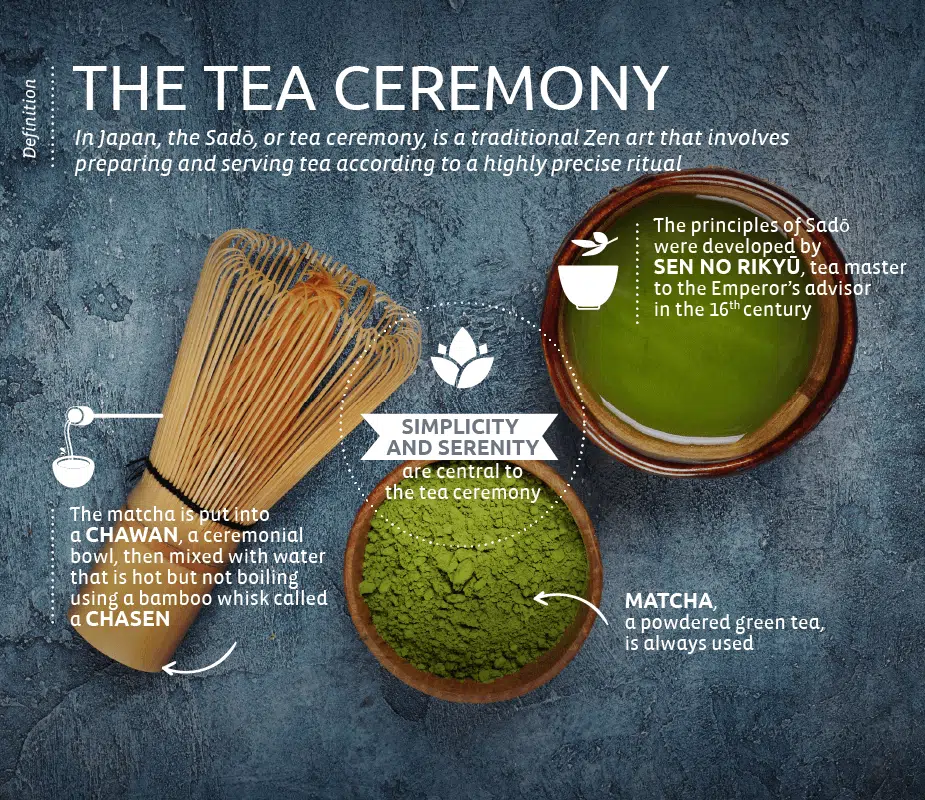
Afternoon tea customs have spread far beyond Britain. Each country adds its own style and flavors. In Japan, tea ceremonies focus on matcha and mindfulness. India offers chai with spices and sweet treats like samosas. Australia features local berries and native herbs in their tea menus.
Many cities host themed or interactive tea events. These experiences invite guests to learn about tea culture and history. They blend entertainment with education, making tea time a fun occasion. Travelers enjoy discovering how different cultures adapt this timeless tradition.
:max_bytes(150000):strip_icc()/afternoon-vs-high-tea-difference-435327_final2-74ede174f55d48b78ed5e745b590749d.jpg)
Credit: www.thespruceeats.com
Frequently Asked Questions
What Are Three Rules Of Etiquette For Afternoon Tea?
Three rules of etiquette for afternoon tea: keep phones off the table, hold the cup by the handle without wrapping hands around it, and place your pinkie finger down while sipping.
What Is The Afternoon Tea Culture?
Afternoon tea culture is a British tradition of enjoying tea with sandwiches, scones, and pastries in the mid-afternoon. It promotes socializing and relaxation. The ritual includes proper etiquette like using fine china and serving tea with milk after pouring.
What Is The Afternoon Tea Ritual?
The afternoon tea ritual is a British tradition of enjoying tea with sandwiches, scones, and pastries between 3-5 PM. It fosters socializing and relaxation. Guests follow etiquette like using fine china, pouring tea before milk, and eating delicately. This elegant custom emphasizes mindfulness and connection.
What Not To Wear To Afternoon Tea?
Avoid wearing jeans, athleisure, or overly casual clothes to afternoon tea. Skip hats, fascinators, and gloves, as they are uncommon. Choose elegant, simple attire like a knit draped over shoulders for a refined look.
Conclusion
Traditional afternoon tea offers a charming glimpse into British culture. It combines simple, elegant foods with special etiquette. Enjoying tea this way connects you to a timeless ritual. Small sandwiches, scones, and sweet treats create a delightful experience. Remember, the customs focus on relaxation and polite company.
Sharing afternoon tea can bring warmth and joy to any day. Embrace these traditions to appreciate the art of tea fully. A lovely pause in busy lives.