Are you confused about the difference between High Tea and Afternoon Tea? You’re not alone.
These two tea traditions sound similar but offer very different experiences. If you’ve ever wondered which one suits your taste or occasion better, this article will clear things up for you. You’ll discover how the food, timing, and history behind each tea make them unique.
By the end, you’ll know exactly what to expect and how to choose the perfect tea time for you. Keep reading to unlock the charming world of High Tea versus Afternoon Tea!
Origins And History
The origins and history of High Tea and Afternoon Tea reveal distinct traditions. Both started in England but served different purposes. Each tea style reflects unique social and cultural influences.
Roots Of High Tea
High Tea began as a working-class evening meal. It combined tea with hearty food like meats and bread. This tea was practical, eaten after work for energy. The name comes from the high dining table where it was served. It was not a fancy or delicate affair.
Rise Of Afternoon Tea
Afternoon Tea started in the early 19th century. It was created by Anna, the Duchess of Bedford, to fill the long gap between lunch and dinner. This tea was lighter, with finger sandwiches and sweets. Served in the afternoon, it became a social event for the upper class. Delicate china and fine linens were part of the experience.
Class And Cultural Context
High Tea was a meal for workers and families. It was practical and filling, often eaten at home or in pubs. Afternoon Tea was a symbol of wealth and leisure. It was held in elegant homes or tea rooms. These teas show how class shaped eating habits in England. Each tea tradition tells a story about social life and culture.

Credit: thebrooklynteacup.com
Timing And Setting
The timing and setting of High Tea and Afternoon Tea define their unique experiences. Each tradition fits different parts of the day and social contexts. These differences help to understand which tea suits your mood or occasion.
Typical Time For High Tea
High Tea usually takes place in the early evening. It often happens between 5 PM and 7 PM. This tea serves as a hearty meal after a long workday. The timing makes it a practical choice for families or workers.
When Afternoon Tea Is Served
Afternoon Tea occurs in the mid-afternoon hours. Typically, it is served from 3 PM to 5 PM. This tea is a light, elegant break before dinner. It is perfect for social gatherings or relaxing moments.
Table And Seating Differences
High Tea is served at a dining table with regular chairs. The setting is informal and practical. It often feels like a full meal with hot dishes.
Afternoon Tea uses low tables and comfortable armchairs. The atmosphere is more refined and relaxed. It focuses on finger foods, scones, and delicate pastries.
Food And Drink
The difference between High Tea and Afternoon Tea shows clearly in their food and drink offerings. Both serve tea but with distinct culinary styles. High Tea is a more filling meal, while Afternoon Tea features lighter treats. Understanding these helps you choose the right experience for your taste and time of day.
Hearty Dishes Of High Tea
High Tea includes warm, substantial dishes. Think meat pies, sausages, and baked beans. Often served with thick bread or buttered toast. It is like a small dinner, eaten after work. These dishes provide energy and satisfy hunger.
Delicate Fare Of Afternoon Tea
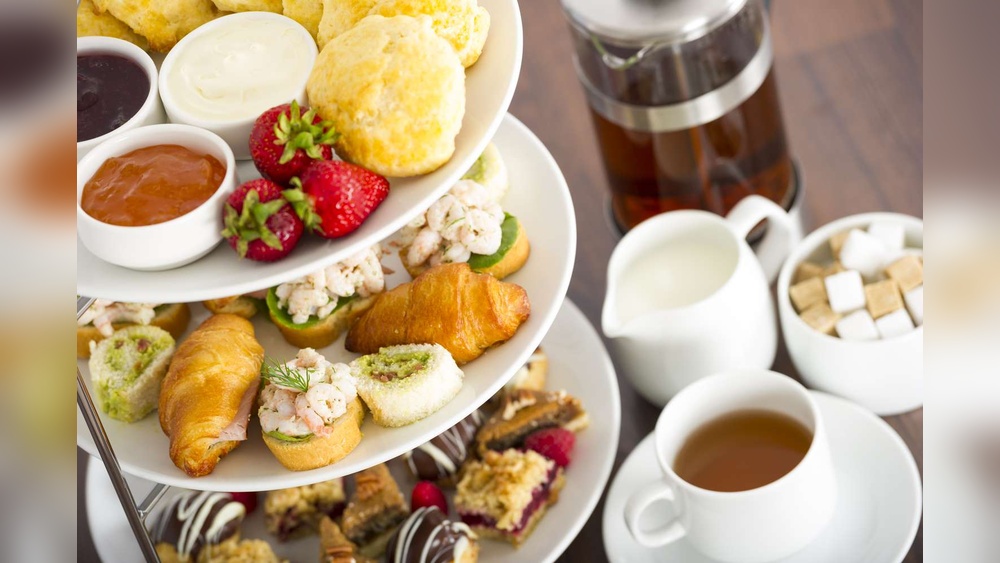
Afternoon Tea offers a variety of light finger foods. Delicate sandwiches with cucumber or smoked salmon are common. Freshly baked scones with clotted cream and jam add sweetness. Small cakes and pastries complete the selection. Each item is designed to be easy to eat and elegant.
Traditional Tea Selections
Both High Tea and Afternoon Tea serve classic teas. Black teas like English Breakfast and Earl Grey are favorites. Some places offer green or herbal teas as well. Tea is brewed strong and served hot. Milk and sugar are usually available for taste.

Credit: hummingbirdtearoom.com
Social Aspects
The social aspects of High Tea and Afternoon Tea reveal much about their origins and cultural meanings. Both tea times serve more than food and drink. They reflect social class, tradition, and lifestyle. Understanding these differences helps appreciate each tea’s unique charm and role in society.
Working-class Roots Of High Tea
High Tea began as a hearty meal for workers. It served as a main evening meal after long, hard days. Families gathered around the table to share filling dishes and strong tea. This tea was practical, providing energy and comfort. It was less about formality and more about nourishment and rest.
Upper-class Elegance Of Afternoon Tea
Afternoon Tea started in the 19th century among the upper class. It was a light social event between lunch and dinner. Women wore elegant dresses and enjoyed delicate sandwiches and pastries. The tea was served with fine china and silverware. This event emphasized grace, manners, and leisure time.
Modern Perceptions And Misconceptions
Today, many confuse High Tea with Afternoon Tea. High Tea is often seen as fancy, but it is traditionally a working-class meal. Afternoon Tea is viewed as a luxurious, social occasion. Both teas have evolved and crossed social boundaries. They now appeal to various people for relaxation and celebration.
Etiquette And Customs
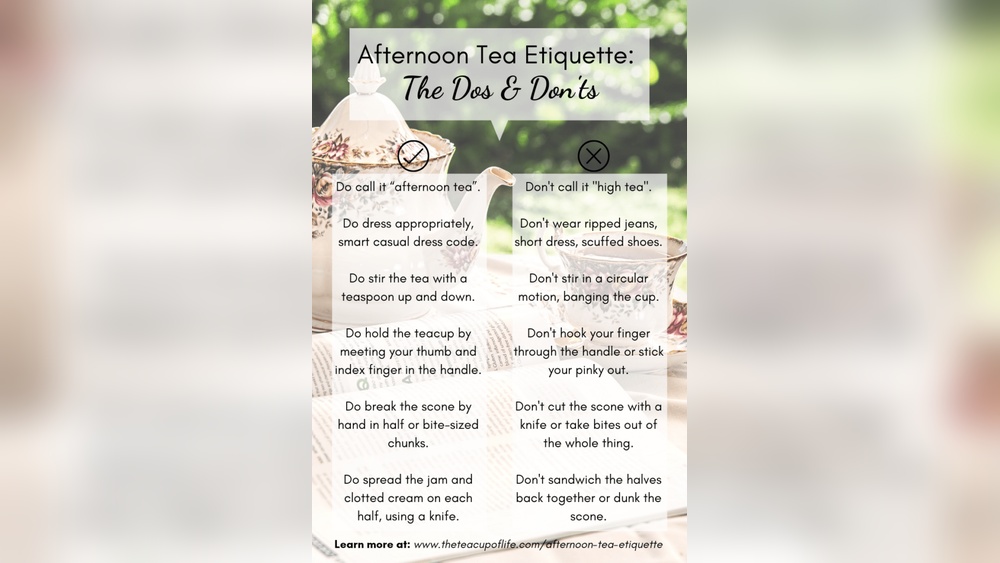
Etiquette and customs shape the unique charm of both High Tea and Afternoon Tea. Each has distinct social rules that guide how guests enjoy their experience. Understanding these traditions helps you appreciate the occasion more deeply. It also shows respect for the hosts and fellow guests. Here, we explore key etiquette points including table manners, napkin and utensil use, and serving order.
Proper Table Manners
At Afternoon Tea, sit upright and keep your elbows off the table. Speak softly and avoid loud noises. Take small bites and chew quietly. Use polite conversation and listen carefully. For High Tea, the atmosphere is more relaxed but still polite. Wait for everyone to be served before eating. Always thank the host before leaving the table.
Napkin And Utensil Use
Place your napkin on your lap as soon as you sit down. Use it to gently dab your mouth, never to blow your nose. Hold your utensils properly; fork in the left hand, knife in the right. Use the outermost utensils first and work inward with each course. After use, place utensils neatly on your plate, not on the table.
Serving Order And Presentation
Afternoon Tea begins with delicate finger sandwiches, followed by scones with clotted cream and jam. Finish with sweets like cakes and pastries. Tea is poured first, usually by the host or server. In High Tea, the meal includes heavier dishes like meat pies or quiches. Tea is served alongside the food, not before. Presentation is simple but neat, served on a single plate or tray.

Credit: theteacupoflife.com
High Tea Vs Afternoon Tea In The Us
High Tea and Afternoon Tea often confuse many in the United States. Both involve tea and small bites but differ in timing, setting, and food served. Understanding these differences helps appreciate each tradition better. In the US, these terms sometimes blend, causing mix-ups. Exploring how Americans view and adapt these teas reveals unique cultural twists.
Common Terminology Confusion
Many Americans use “High Tea” to mean “Afternoon Tea.” This causes confusion because, in the UK, High Tea is a hearty evening meal. Afternoon Tea is lighter with finger sandwiches and sweets. The word “High” in High Tea refers to the dining table height, not quality. The mix-up comes from media and restaurants using terms interchangeably.
American Adaptations
In the US, Afternoon Tea often means a fancy event with delicate treats. High Tea is less known or used to describe any tea service. Some places serve scones, pastries, and tea anytime under the “High Tea” label. The focus in the US is on the experience, not strict tradition. Menus may include modern twists like flavored teas or fusion snacks.
Where To Experience Each In Austin, Texas
Austin offers spots to enjoy traditional Afternoon Tea and modern High Tea versions. For classic Afternoon Tea, try elegant tearooms with tiered trays and fine teas. High Tea-style meals appear in cozy restaurants with more filling dishes and casual vibes. Both options give a taste of British culture with Texan hospitality. Austin’s tea scene is growing, blending old customs with local flavors.
Frequently Asked Questions
Is Afternoon Tea The Same As High Tea?
Afternoon tea is a light, elegant meal with sandwiches and pastries. High tea is a hearty, substantial meal served later, often with meat dishes. They differ in time, food, and social context.
What Are Three Rules For Afternoon Tea?
Three rules for afternoon tea: Place your napkin on your lap, avoid using it as a handkerchief, and add sugar before lemon in tea.
What Is Another Name For High Tea?
Another name for high tea is “meat tea,” highlighting its hearty meal nature served at a high dining table.
What Is Served At A Proper High Tea?
A proper high tea serves hearty dishes like meat pies, baked beans, potatoes, cheese, and fish, alongside tea.
Conclusion
High tea and afternoon tea serve different purposes and styles. High tea offers a filling meal with savory dishes and tea. Afternoon tea focuses on light snacks and sweet treats. Both traditions provide a lovely way to enjoy tea time.
Choosing between them depends on your appetite and mood. Each has unique charm and history. Enjoying either can add a special touch to your day. Try both to discover which suits you best. Tea time remains a delightful and social experience worldwide.