Have you ever wondered how the charming tradition of afternoon tea began? Imagine a moment in the middle of your busy day when you pause to enjoy delicate sandwiches, warm scones, and a perfectly brewed cup of tea.
This beloved ritual didn’t just appear out of nowhere—it has a fascinating history rooted in British high society. From a simple solution to a midday hunger pang to a grand social event embraced by queens, the story of afternoon tea is full of elegance, culture, and surprising twists.
Keep reading, and you’ll discover how this timeless tradition started, evolved, and why it still captures hearts around the world today. Your next tea break might never be the same!
Credit: www.lovefood.com
Origins Of Afternoon Tea
The origins of afternoon tea trace back to 19th century England. It started as a simple solution to hunger between meals. Over time, it evolved into a cherished social ritual. This tradition reflects the culture and lifestyle of the British upper class. The story of afternoon tea is rich and fascinating.
The Duchess Of Bedford’s Tradition
Anne, the Duchess of Bedford, is credited with creating afternoon tea. She felt hungry in the late afternoon, a time between lunch and dinner. To ease her hunger, she asked for tea with light snacks like bread and butter. This small habit soon grew into a social event. The Duchess invited friends to join her, making it a pleasant gathering.
Early Social Gatherings
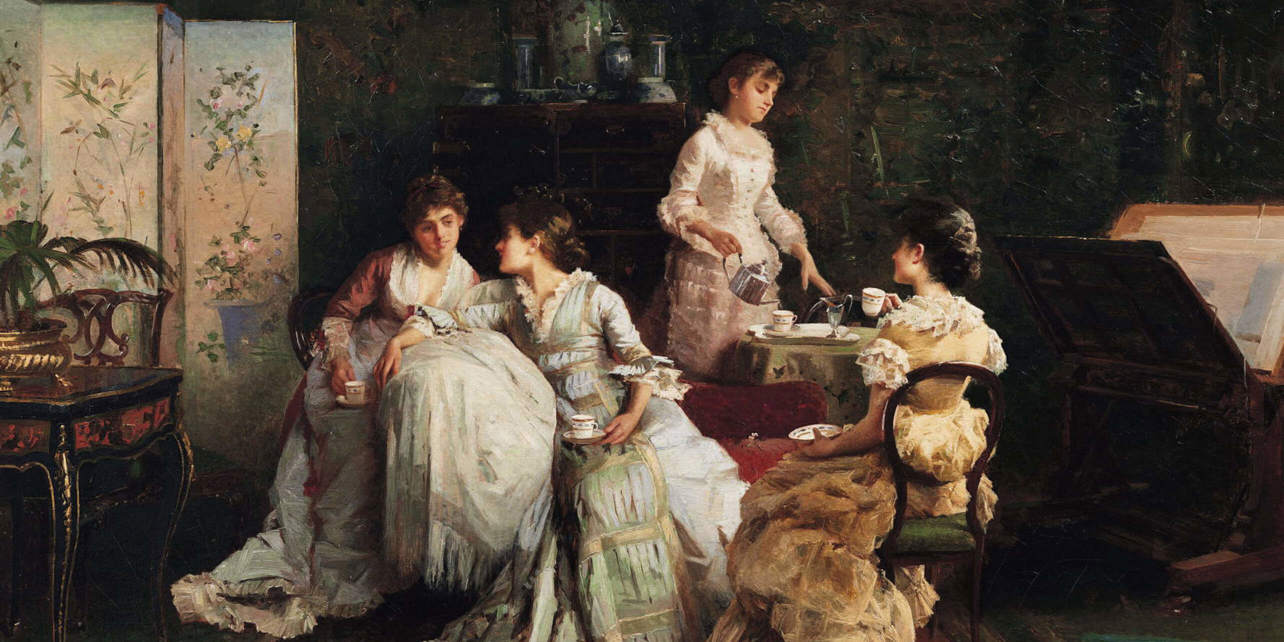
These tea gatherings quickly became popular among the upper class. Women enjoyed chatting over tea, sandwiches, and cakes. It offered a break in the day and a chance to socialize. Hosts began to prepare more elaborate food spreads. Afternoon tea became a symbol of elegance and leisure.
Royal Court Adoption
The tradition reached the royal court and gained wider fame. Queen Victoria embraced afternoon tea and hosted grand tea parties. This royal approval helped spread the custom to the middle class. Tea rooms and hotels started offering afternoon tea services. Today, it remains a beloved British tradition worldwide.
Credit: www.afternoontea.co.uk
Victorian Era Influence
The Victorian era shaped afternoon tea into a beloved British tradition. This period brought structure and style to the practice. Afternoon tea became a daily ritual and social event.
Influential figures and changing social customs helped afternoon tea grow. It spread beyond the aristocracy to the upper classes. The menu and presentation evolved to reflect Victorian tastes.
Queen Victoria’s Role
Queen Victoria loved afternoon tea and helped make it popular. She often hosted tea parties at her palaces. Her endorsement gave afternoon tea royal status. This encouraged others to adopt the custom.
Spread Among Upper Classes
The tradition spread quickly among wealthy Victorians. Tea rooms and hotels began offering afternoon tea. It became a mark of sophistication and good manners. Many upper-class families held tea gatherings daily.
Menu Evolution
The Victorian era introduced new foods to afternoon tea menus. Finger sandwiches, scones, and pastries became staples. Presentation grew more elegant with tiered cake stands. Tea blends also expanded to suit different tastes.
Afternoon Tea Vs High Tea
Afternoon tea and high tea are often confused. Both involve tea and food. Yet, they differ in many ways. Understanding these differences helps appreciate British tea culture better.
Differences In Timing
Afternoon tea is served between 3 and 5 pm. It fills the gap between lunch and dinner. High tea happens later, around 5 to 7 pm. It often replaces dinner for working people.
Menu And Setting Contrast
Afternoon tea offers light foods like finger sandwiches, scones, and cakes. It is served with fine tea in elegant rooms. High tea serves hot, hearty dishes such as meat pies and vegetables. It usually takes place at the dining table after work.
Social Class Distinctions
Afternoon tea began with the upper class and aristocrats. It was a social event in fancy homes. High tea was common among the working class. It was a practical meal after a long day of labor.
Typical Afternoon Tea Menu
The typical afternoon tea menu offers a delightful mix of flavors and textures. It balances light savory bites with sweet treats. This menu creates a perfect pause in the day. Each item is carefully chosen to complement the tea. The tradition has remained popular for centuries due to its charm and elegance.
Finger Sandwiches
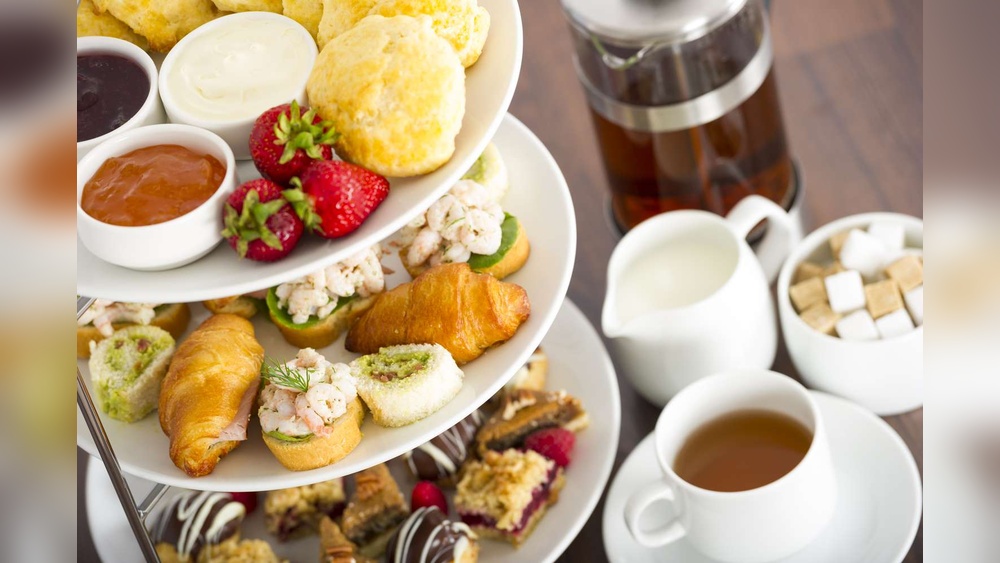
Finger sandwiches are small, delicate, and easy to eat. Common fillings include cucumber, smoked salmon, and egg salad. The bread is usually crustless and sliced thin. These sandwiches provide a light, savory start to the tea. They are designed to be enjoyed in just a few bites.
Scones And Pastries
Scones are a must-have on any afternoon tea menu. They are soft, slightly sweet, and often served warm. Clotted cream and jam are traditional toppings. Pastries add variety and sweetness. Popular choices include cakes, tarts, and petits fours. These treats offer a delightful contrast to the savory sandwiches.
Tea Varieties
Tea is the heart of the afternoon tea experience. Black teas like Earl Grey and Darjeeling are favorites. Green and herbal teas provide lighter options. Each tea has its own unique aroma and taste. Guests often enjoy trying different blends during the meal. The right tea enhances all the flavors on the menu.
Etiquette And Rituals
The tradition of afternoon tea is rich with etiquette and rituals. These customs ensure a refined and pleasant experience. They reflect the grace and style of Victorian society. Learning these rules helps honor the history behind afternoon tea.
Proper Table Settings
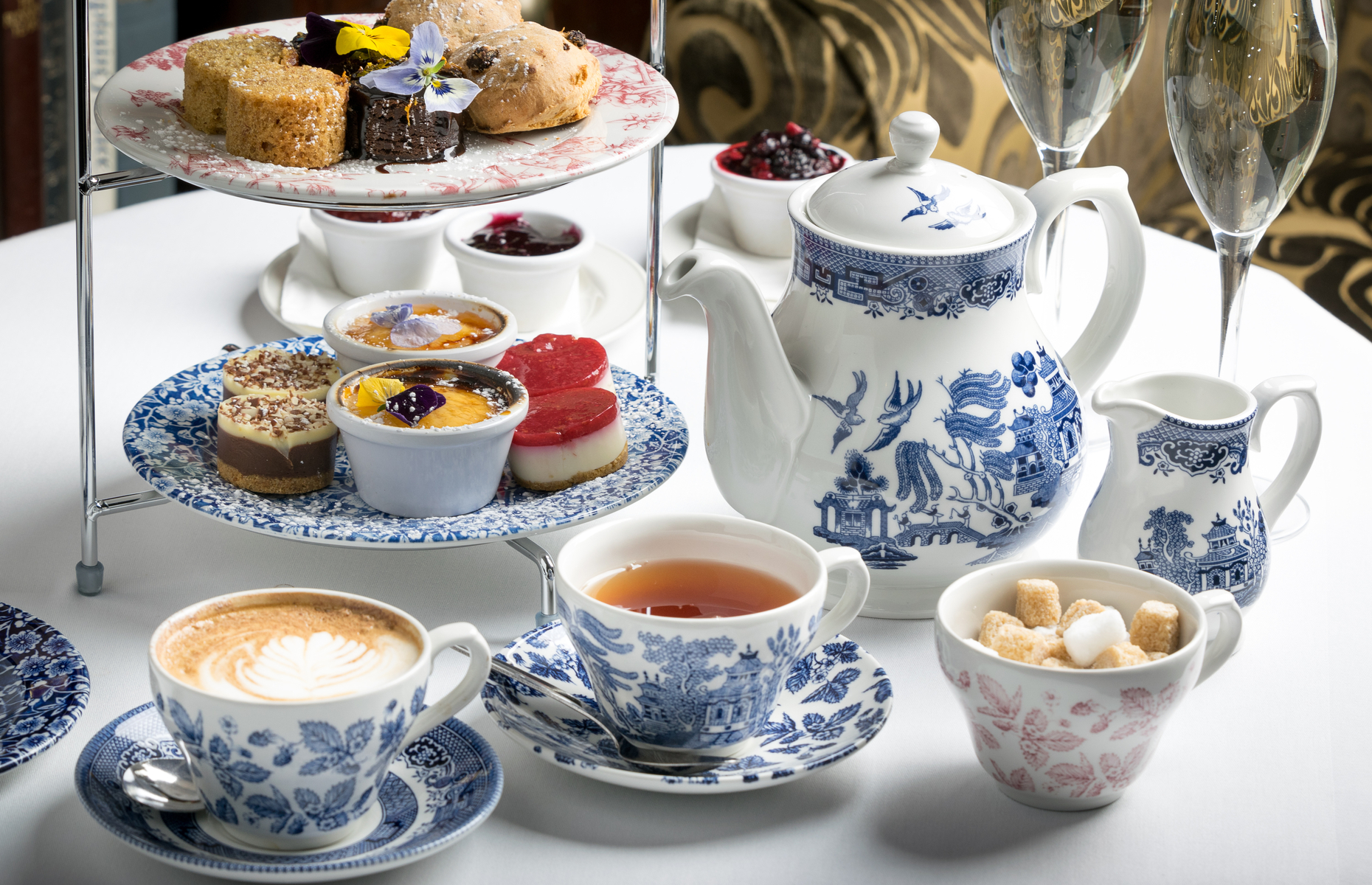
The table setting for afternoon tea is simple and elegant. A fine tablecloth or placemat is a must. Each guest receives a small plate, a teacup with a saucer, and a teaspoon. The teapot sits in the center, with milk and sugar nearby.
Sandwiches and sweets are arranged on a tiered stand. The smallest plate goes on top for sweets. Napkins are folded neatly to the left of the plate. Proper spacing keeps the table neat and inviting.
Serving Customs
Tea is poured from the right side of the guest. The host or server fills each cup gently, avoiding spills. Milk is added after the tea, unless the guest prefers it first. Sugar is offered on the side.
Guests serve themselves from the tiered stand. Start with sandwiches, then move to scones and sweets. Use tongs or a small fork to keep hands clean. Tea is refilled as needed throughout the gathering.
Manners And Conduct
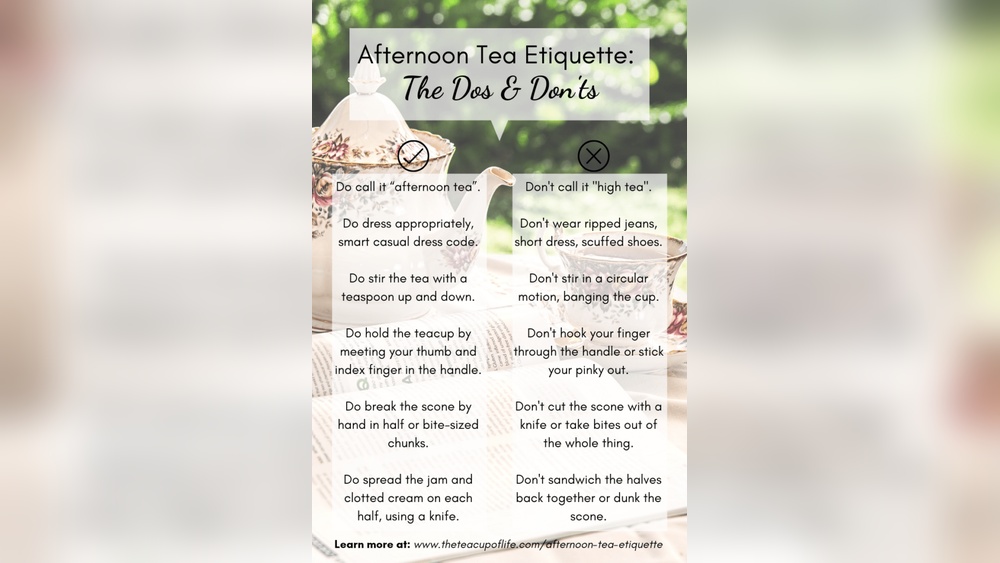
Sip tea quietly without slurping or blowing on the cup. Hold the cup by the handle with the pinky down. Napkins stay on laps and are used to dab lips. Avoid speaking with a full mouth.
Engage in polite conversation and show appreciation for the host. Avoid reaching across others; ask for items to be passed. Thank the host before leaving. These small acts show respect and keep the tradition alive.
Modern Afternoon Tea
The tradition of afternoon tea has evolved beyond its Victorian roots. Modern afternoon tea blends classic charm with new trends. It remains a popular way to relax and socialize. This ritual adapts to suit contemporary tastes and lifestyles. Many enjoy it as a special treat or social event. Its appeal crosses cultures and continents.
Contemporary Adaptations
Today’s afternoon tea often includes diverse flavors and styles. Chefs add seasonal fruits, exotic teas, and creative pastries. Some menus offer vegan and gluten-free options. The presentation is sleek, with modern tableware and themes. Tea blends now include herbal and wellness varieties. This keeps the tradition fresh and relevant for all guests.
Global Popularity
Afternoon tea has spread worldwide from its British origins. Cities across Asia, Europe, and America embrace this practice. Local ingredients and customs influence the tea experience. Tea lovers enjoy unique blends and snacks from their region. It has become a symbol of hospitality and elegance globally. Many tourists seek out afternoon tea as a cultural experience.
Tea Rooms And Experiences
Specialty tea rooms offer immersive afternoon tea sessions. These venues recreate the classic atmosphere with modern touches. Some provide live music or themed events to enhance the mood. Luxury hotels often host refined tea services for guests. Tea workshops and tastings educate visitors about tea varieties. Such experiences deepen appreciation and keep the tradition alive.
Cultural Impact
Afternoon tea has left a lasting mark on culture. It shaped social habits and artistic works. The tradition grew beyond a simple meal. It became a symbol of refinement and social grace. Its influence can be seen in many areas today.
Media And Literature
Afternoon tea often appears in books and films. Writers use it to show class or calm moments. Famous authors like Jane Austen mentioned tea in their stories. Movies set in England often include tea scenes. These moments add charm and show social customs clearly.
Influence On Hospitality
Hotels and cafes worldwide offer afternoon tea service. It became a popular way to attract guests. The ritual inspires elegant table settings and special menus. This tradition encourages slow, relaxed social gatherings. Hospitality businesses use it to create memorable experiences.
Symbol Of Elegance
Afternoon tea stands for grace and sophistication. It represents a break from busy life to enjoy simple pleasures. People associate it with fine china and delicate pastries. The ritual signals respect and care in social settings. It remains a timeless symbol of polite society.

Credit: www.britishmuseum.org
Frequently Asked Questions
What Are Three Rules For Afternoon Tea?
Three rules for afternoon tea: Place your purse on your lap or behind your chair. Always put your napkin on your lap, never use it as a handkerchief. Add sugar to your teacup before a thin lemon slice.
What Is The Origin Of Afternoon Tea?
Afternoon tea originated in early 19th-century England by Anne, Duchess of Bedford. She introduced a light meal between lunch and dinner. This practice became a social event among the upper class and later spread widely, embraced by Queen Victoria and others.
What Is A Fun Fact About Afternoon Tea?
A fun fact about afternoon tea is that it was invented by Anne, Duchess of Bedford, to curb afternoon hunger. This tradition quickly became a social event enjoyed by the British upper class.
What Is The Ritual Of Afternoon Tea?
The ritual of afternoon tea involves sipping tea with light sandwiches, scones, and pastries between 3-5 PM. It encourages polite conversation and relaxation. Guests use fine china, follow etiquette, and enjoy a social, elegant break during the afternoon.
Conclusion
Afternoon tea began as a simple meal to ease hunger late in the day. Over time, it became a cherished social tradition in Britain. Today, people enjoy it worldwide, savoring tea with small cakes and sandwiches. This custom connects us to history and brings moments of calm and joy.
The story of afternoon tea reminds us how small habits can create lasting culture. It continues to evolve, blending old customs with new tastes. A timeless ritual that invites everyone to pause and enjoy life’s simple pleasures.