Have you ever wondered why afternoon tea is such a cherished tradition in England? It’s not just about sipping tea and nibbling on cakes—it’s a story steeped in history and elegance.
Imagine stepping back to a time when a simple cup of tea became a social ritual that changed British culture forever. You’ll discover how afternoon tea began, who started it, and why it still captures hearts around the world today.
Get ready to uncover the fascinating history behind this timeless English custom that might just inspire your next tea time.
Credit: www.afternoontea.co.uk
Origins Of Afternoon Tea
Afternoon tea is a charming English tradition with roots in the 19th century. This ritual began as a simple way to fill the long gap between lunch and dinner. Over time, it grew into a social event enjoyed by many.
The story of afternoon tea reflects changes in society and lifestyle. It shows how food and drink can create moments of relaxation and connection.
Anna, Duchess Of Bedford’s Role
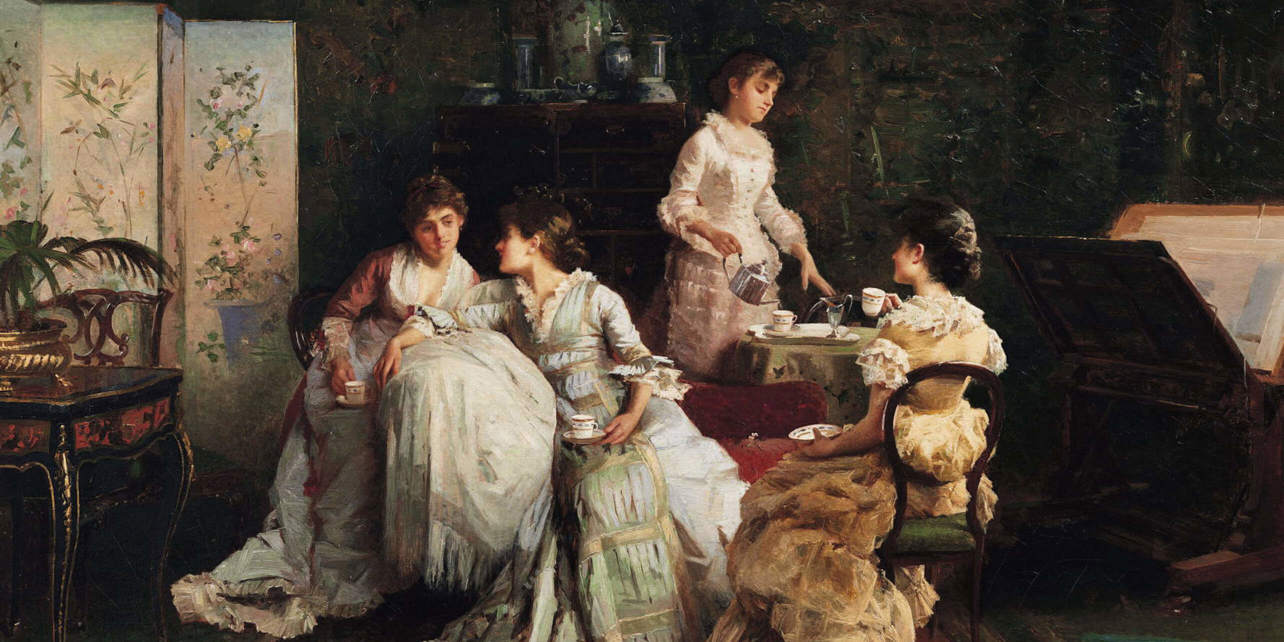
Anna, the seventh Duchess of Bedford, is often credited with starting afternoon tea. She felt hungry in the late afternoon. Dinner was served too late to satisfy her appetite.
To ease her hunger, she asked for tea and light snacks. This small habit soon became a daily tradition. Friends joined her, and afternoon tea became a social occasion.
Victorian Era Influence
The Victorian era shaped afternoon tea into a proper event. Tea houses and hotels began offering afternoon tea to guests. This made the ritual popular beyond the upper class.
During this time, tea became a symbol of refinement. The food served grew more elaborate, including sandwiches, scones, and cakes. Elegance and etiquette became part of the experience.
Social Context And Need
Afternoon tea met a social need in England’s daily life. The long wait between meals left people hungry and restless. Tea and snacks provided a pleasant break.
It also offered a chance for socializing and relaxation. Women especially used this time to gather and chat. Afternoon tea became a way to connect and unwind.
Evolution Of Tea Culture
Tea culture in England has changed a lot over time. From a simple morning drink, tea became a key part of social life. The way people enjoyed tea evolved with society’s changes and tastes. This section explores how afternoon tea grew from breakfast habits to a widespread tradition.
From Breakfast To Afternoon
At first, tea was mainly a breakfast drink in England. People drank it early to start their day. Later, the long gap between lunch and dinner made people feel hungry. Tea became a light refreshment to fill that gap. This new habit slowly turned into a special afternoon ritual.
Influence Of British Aristocracy
The British upper class played a big role in shaping tea culture. In the 1840s, Anna, the Duchess of Bedford, began having tea and snacks in the afternoon. She invited friends to join her, making it a fashionable event. The aristocracy’s love for afternoon tea helped spread the practice across England.
Expansion Beyond Nobility
Afternoon tea soon reached beyond the wealthy. Middle-class families adopted the tradition in their homes. Tea rooms and hotels started offering afternoon tea to the public. It became a symbol of hospitality and relaxation for many. Today, afternoon tea is enjoyed by people from all walks of life.
Traditional Afternoon Tea Components
Traditional afternoon tea in England offers a delightful experience. It combines carefully chosen teas with classic foods. The presentation and setting create an inviting atmosphere. Each element plays a role in this cherished ritual.
Understanding these components helps appreciate the history and charm of afternoon tea. It also reveals why it remains popular today.
Selection Of Teas
Tea is the heart of afternoon tea. Black teas like Earl Grey and Assam are popular choices. These teas have strong, rich flavors. Green and herbal teas also appear in modern servings. Each tea is brewed to perfection for a smooth taste.
The tea is usually served hot, in fine china cups. Milk and sugar are often offered to suit personal tastes.
Classic Food Pairings
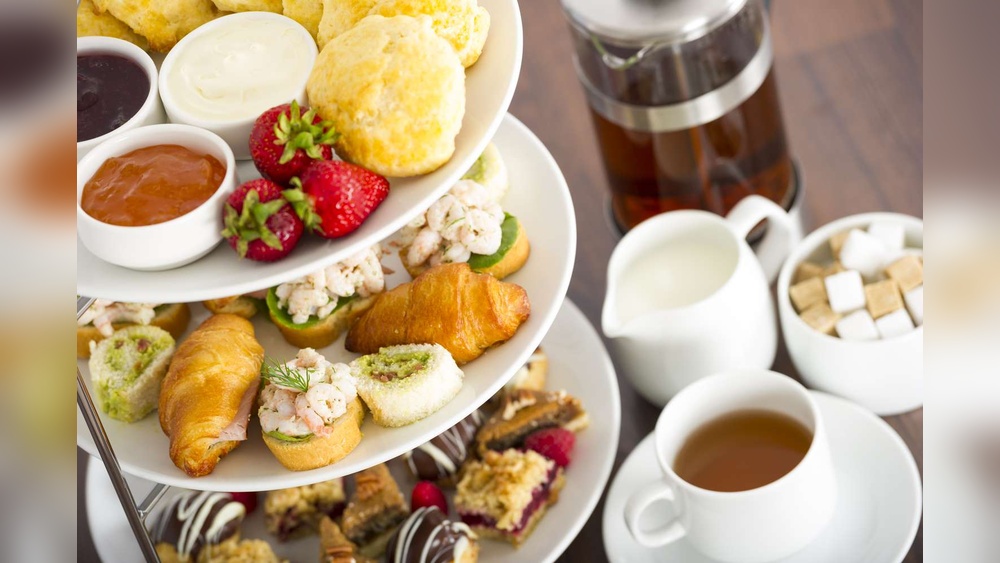
Food at afternoon tea is light and elegant. Finger sandwiches with cucumber, smoked salmon, or egg salad are common. These sandwiches are cut into small, neat shapes.
Scones come next, served with clotted cream and jam. Sweet treats like cakes and pastries finish the meal. These foods balance the tea’s flavors and add variety to the experience.
Presentation And Settings
Presentation is key in traditional afternoon tea. Food is arranged on tiered stands, showing off the variety. Fine china, silverware, and linen napkins add elegance.
The setting is often a quiet, cozy room or garden. Soft lighting and comfortable seating invite relaxation. This careful setup makes afternoon tea a special, memorable event.
Etiquette And Rituals
The tradition of afternoon tea in England is rich with etiquette and rituals. These customs create a special experience beyond just drinking tea. They show respect for the guests and the host. The careful manners and precise actions reflect a long history of social grace. Understanding these rules helps to appreciate the true spirit of afternoon tea.
Table Manners And Customs
Guests should sit up straight and keep their elbows off the table. Napkins go on laps, never used as handkerchiefs. It is polite to wait until everyone is served before starting. Small bites are taken slowly to enjoy the flavors. Talking quietly and smiling adds to the pleasant atmosphere.
Proper Tea Serving Techniques
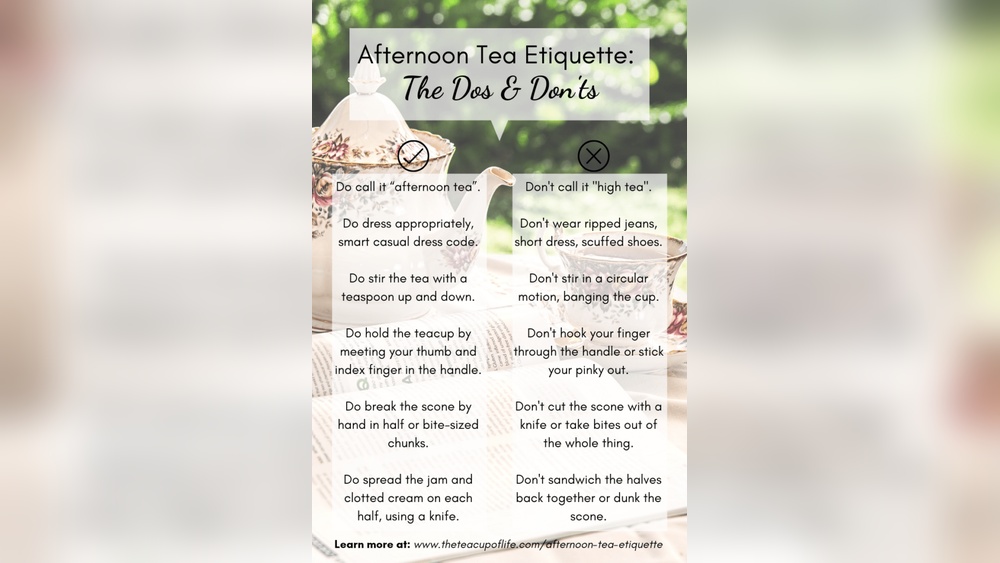
The host pours tea first for the guests, then for themselves. Tea should be served from the teapot into cups with care. It is common to add milk after the tea, not before. Stir gently without clinking the spoon against the cup. A small plate holds the tea bag or used spoon after stirring.
Common Do’s And Don’ts
Do offer sugar or lemon, but never both together in one cup. Do not dunk biscuits or scones in the tea; eat them separately. Do not slurp or make loud noises while drinking. Do not reach across the table; ask for items to be passed. Do thank the host for their effort and hospitality.
Afternoon Tea Vs. High Tea
Afternoon tea and high tea are often confused, but they differ in many ways. Both are British traditions involving tea, but their origins, foods, and times vary. Understanding these differences adds depth to the history of English tea culture.
Differences In Origin
Afternoon tea began in the early 19th century. Anna, the Duchess of Bedford, introduced it to fill the long gap between lunch and dinner. It was a light, elegant meal served in the afternoon.
High tea started as a working-class meal in the late 19th century. It was a more substantial evening meal after work. Workers needed hearty food and tea to refuel.
Distinct Food And Timing
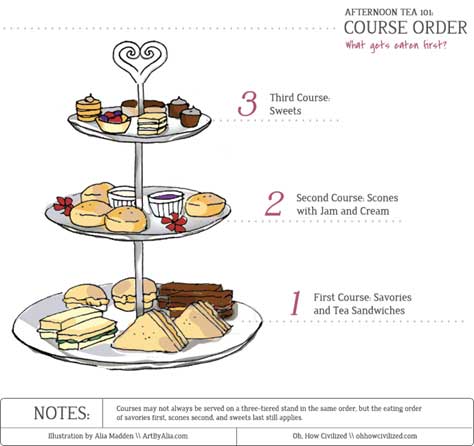
Afternoon tea is usually served between 3 and 5 pm. It includes finger sandwiches, scones with clotted cream, and sweet pastries. The focus is on delicate, refined food.
High tea happens later, around 5 to 7 pm. It features hot dishes like meat pies, baked beans, and bread. This meal is more filling and practical for the working class.
Regional Variations
In southern England, afternoon tea is popular among the upper class. It remains a social event with fine china and polite conversation.
In northern England and Scotland, high tea is more common. It serves as a family meal after a long day. The food tends to be heartier and simpler.
Credit: chefin.com
Afternoon Tea In Modern Times
Afternoon tea remains a popular tradition in England today. It has evolved from a simple refreshment to a special social event. Many people enjoy it as a relaxing break in their busy day. The custom blends old-fashioned charm with new ideas to fit modern lifestyles.
Today, afternoon tea is not just about tea and sandwiches. It offers a chance to connect with friends or celebrate special moments. The experience often includes stylish settings and creative menus. This keeps the tradition fresh and exciting for all ages.
Contemporary Adaptations
Modern afternoon tea includes a wide range of options. Some places serve vegan or gluten-free treats. Others add savory bites or international flavors. Many use organic and locally sourced ingredients. These changes make afternoon tea accessible and enjoyable for more people.
Presentation also plays a big role. Food is often arranged on tiered stands or elegant plates. Some venues offer themed teas, such as seasonal or holiday editions. This adds fun and variety to the traditional experience.
Tea Rooms And Hotels
Tea rooms and hotels are key spots for afternoon tea today. They provide a cozy and elegant atmosphere. Many historic hotels keep the classic style alive. Others mix modern decor with vintage touches.
Some places offer afternoon tea with a view or live music. This enhances the overall experience. Staff often dress in traditional attire to add charm. Visitors enjoy the blend of comfort, style, and tradition.
Global Influence And Popularity
Afternoon tea has spread far beyond England. It is now enjoyed worldwide. Many countries have adopted the custom and added their own twists. Tea shops and cafes in cities around the globe serve afternoon tea menus.
This tradition appeals to people who appreciate tea culture and social gatherings. It also introduces British heritage to new audiences. The global popularity keeps afternoon tea alive and evolving with new fans every day.
Cultural Significance
Afternoon tea is more than just a meal. It is a deep part of British culture. It represents tradition, manners, and social life. This custom has shaped how people connect and celebrate special moments.
Its cultural role extends beyond the tea cup. It reflects British values and social habits. Understanding this helps us see why afternoon tea remains popular today.
Symbol Of British Identity
Afternoon tea stands as a clear symbol of British identity. It shows the nation’s love for tea and good company. The ritual highlights grace, calmness, and refinement. These traits have become linked with Britain worldwide.
Many view afternoon tea as a proud British invention. It expresses national heritage and history. The tradition promotes a sense of belonging among people.
Role In Social Gatherings
Afternoon tea plays a key role in social events. It brings people together to chat and relax. Friends and families use it to celebrate or catch up. The setting encourages polite conversation and kindness.
This tradition also bridges generations. Older and younger people share stories and customs over tea. It creates moments of warmth and connection.
Media And Literature References
Afternoon tea appears often in British media and books. Writers use it to set scenes of elegance or social life. Films and TV shows show characters enjoying this ritual. It helps build a sense of place and time.
Classic novels mention afternoon tea to reflect manners and class. These references keep the tradition alive in public memory. They inspire curiosity and respect for the custom.

Credit: stanmerhouse.uk
Frequently Asked Questions
Why Is Afternoon Tea A British Tradition?
Afternoon tea became a British tradition in the 1840s by Anna, Duchess of Bedford, to curb hunger between meals. It evolved into a social ritual enjoyed across classes. This custom highlights British love for tea and social gatherings, symbolizing elegance and relaxation during the day.
What Are Three Rules For Afternoon Tea?
Three rules for afternoon tea: place your napkin on your lap, never use it as a handkerchief, and add sugar before lemon to your tea.
Where Was Afternoon Tea Invented In England?
Afternoon tea was invented in England by Anna, the Duchess of Bedford, at her country home in Belvoir Castle.
What Is The Ritual Of Afternoon Tea?
The ritual of afternoon tea involves serving tea with sandwiches, scones, and pastries between 3-5 PM. Guests enjoy polite conversation and proper etiquette. It originated in 19th-century England as a light meal to bridge lunch and dinner.
Conclusion
Afternoon tea began as a simple break for the upper class. It grew into a beloved English tradition enjoyed by many. The ritual combines tea, snacks, and social time. Today, it reflects history and culture in every cup. Enjoying afternoon tea connects us to England’s past.
This timeless custom still brings comfort and joy. It invites everyone to pause and savor small moments. A cup of tea tells a story worth sharing.