If you’ve ever craved a warm, comforting drink that’s both flavorful and uplifting, chai latte might just become your new favorite. This rich blend of black tea, milk, and aromatic spices like cinnamon, cardamom, and ginger isn’t just tasty—it offers surprising health benefits that can boost your immunity, ease digestion, and sharpen your focus.
Whether you’re looking for a cozy morning pick-me-up or a soothing afternoon treat, understanding what makes chai latte special will change how you enjoy your cup. Keep reading to discover why chai latte is more than just a beverage—it’s a wellness ritual waiting to enhance your day.
Origins Of Masala Chai
Masala chai is a beloved spiced tea from India. It blends black tea with milk, sugar, and spices. The drink has a rich history that spans centuries. Its roots trace back to ancient traditions and cultural shifts.
Understanding its origin helps appreciate why masala chai tastes so special. The story involves ancient medicine, colonial influences, and street vendors.
Ancient Ayurvedic Roots
Masala chai’s beginnings link closely to Ayurveda. This ancient Indian medicine uses herbs and spices for healing. Spices like ginger, cardamom, and cinnamon have long been used to treat illnesses.
Tea was combined with these spices to create a healthful drink. It was believed to aid digestion and boost immunity. This mix formed the early template for what we call masala chai today.
British Colonial Influence
The British introduced black tea plantations in India during their rule. Tea drinking became popular but was usually plain. Indian locals began adding spices and milk to make tea tastier.
This fusion created the modern masala chai. It blended Indian spices with British tea culture. Masala chai became a drink loved by many across the country.
Rise Of Chaiwallahs
Chaiwallahs are street vendors who sell masala chai. They brought the drink to busy markets and train stations. Their affordable, flavorful chai made it a daily habit for millions.
These vendors helped spread masala chai beyond homes. Today, chaiwallahs remain a vital part of Indian culture. Their tea stalls are social hubs where people gather and chat.

Essential Ingredients
Chai latte is a flavorful drink loved worldwide for its warm and spicy taste. Its magic lies in a few essential ingredients. Each part plays a key role in creating the perfect cup. Understanding these ingredients helps appreciate chai latte more deeply.
Black Tea Base
Black tea is the heart of chai latte. It provides a strong, bold flavor that supports the spices. Rich in antioxidants, black tea also gives a gentle caffeine boost. This tea is carefully brewed to balance the spices and milk.
Key Spices
Spices give chai latte its unique aroma and taste. Common spices include cinnamon, cardamom, ginger, cloves, and black pepper. Each spice adds warmth and a hint of sweetness or heat. These spices also offer health benefits like aiding digestion and reducing inflammation.
Milk And Sweeteners
Milk adds creaminess and smoothness to chai latte. Whole milk, almond milk, or oat milk are popular choices. Sweeteners like sugar, honey, or maple syrup balance the spices and tea’s bitterness. They create a pleasant, mild sweetness that makes chai latte comforting and enjoyable.
Health Perks Of Chai Latte
Chai latte is more than a tasty drink. It brings many health benefits from its blend of black tea and spices. Each ingredient plays a role in improving your well-being. The warmth and aroma also add comfort to your day.
Antioxidant Benefits
Black tea and spices like cinnamon and cardamom contain antioxidants. These protect cells from damage by harmful molecules. Antioxidants can lower the risk of chronic diseases. Drinking chai latte helps fight oxidative stress in the body.
Digestive Aid
Ginger and black pepper in chai latte boost digestion. They help the body break down food better. Cardamom and fennel soothe the stomach and reduce gas. This makes chai latte a good choice after meals.
Immune Boosting Properties
Spices such as cloves, cinnamon, and ginger have natural antibacterial effects. They help the body fight infections and stay healthy. Drinking chai latte regularly can support your immune system.
Anti-inflammatory Effects
Ginger and cloves contain compounds that reduce inflammation. Lower inflammation means less pain and swelling. Chai latte can help ease discomfort from inflammation-related conditions.
Heart And Brain Support
Flavonoids in black tea and cinnamon may improve heart health. They can help reduce blood pressure and cholesterol. The caffeine and spices also improve brain function and alertness. Enjoying chai latte can support both heart and mind.
Stress Relief And Focus
The warm spices in chai latte create a calming effect. This can reduce stress and anxiety. The caffeine offers a gentle boost to focus and energy. Drinking chai latte helps you relax while staying alert.
Role Of Spices
Spices are the heart of a chai latte. They give it a unique aroma and flavor. Each spice also offers health benefits. These benefits make chai latte more than just a tasty drink.
Spices in chai latte help the body in many ways. They support digestion, boost immunity, and improve heart health. Understanding each spice’s role shows why chai latte is a healthy choice.
Ginger’s Healing Power
Ginger adds a spicy kick and warmth to chai latte. It reduces inflammation and soothes upset stomachs. Ginger fights infections and helps the body heal faster. Drinking chai with ginger can ease nausea and improve digestion.
Cardamom’s Immune Support
Cardamom has a sweet, floral aroma that brightens the chai latte. It is rich in vitamin C, which strengthens the immune system. Cardamom helps reduce blood pressure and fights harmful bacteria. This spice supports overall health and well-being.
Cinnamon’s Heart Benefits
Cinnamon brings a warm, sweet flavor to chai latte. It helps lower cholesterol and blood pressure. These effects support heart health and reduce disease risk. Cinnamon also has antioxidants that protect cells from damage.
Cloves And Respiratory Health
Cloves add a bold, spicy note to chai latte. They have antimicrobial properties that fight respiratory infections. Cloves can relieve coughs and clear nasal passages. Including cloves in chai helps maintain healthy lungs.
Black Pepper’s Digestive Aid
Black pepper adds a sharp, spicy touch to chai latte. It stimulates digestive enzymes and eases gas and bloating. Black pepper improves nutrient absorption in the gut. This spice supports smooth and healthy digestion.
Brewing Techniques
Brewing a perfect chai latte requires attention to detail. Each step shapes the flavor and texture. Understanding the right techniques helps create a smooth, aromatic drink.
From choosing tea leaves to controlling heat, every choice matters. This guide covers the key brewing techniques for a delicious chai latte.
Selecting Quality Tea Leaves
Start with strong black tea leaves, such as Assam or Darjeeling. Fresh leaves give rich flavor and good color. Avoid tea bags with low-quality dust or fannings. Whole-leaf tea enhances the taste and aroma of your chai latte.
Balancing Spice Ratios
Spices like cinnamon, cardamom, ginger, and cloves create chai’s signature taste. Use small amounts to avoid overpowering the tea. Adjust spice levels based on preference. Fresh spices release more flavor. Grind them just before brewing for best results.
Milk Preparation Tips
Use whole milk for a creamy texture. Heat the milk gently to avoid burning. Frothing the milk adds a smooth, velvety layer on top. Non-dairy options like almond or oat milk work well too. Warm milk blends better with tea and spices.
Sweetening Options
Sugar is traditional, but honey or maple syrup add unique flavors. Add sweetener after brewing to control sweetness. Start with a small amount and increase as needed. Natural sweeteners blend well with spices and milk.
Temperature And Timing
Boil water with tea and spices for about 5 minutes. Simmering extracts full flavor from spices and tea leaves. Avoid overcooking to prevent bitterness. Add milk and heat until hot but not boiling. Serve immediately for best taste.

Variations Around The World
Chai Latte delights taste buds worldwide with diverse styles and flavors. Each region offers a unique twist on this beloved spiced tea drink. These variations reflect local tastes and available ingredients. Exploring global Chai Latte versions reveals rich cultural stories behind each cup.
Traditional Indian Masala Chai
Masala chai is the original spiced tea from India. It combines black tea with milk, sugar, and a blend of spices. Common spices include cardamom, cinnamon, ginger, cloves, and black pepper. The spices create a warm, bold flavor that comforts and energizes. Masala chai is brewed slowly to deepen its rich taste. It is a daily ritual in many Indian households.
Western Chai Latte Adaptations
Western chai lattes tend to be sweeter and creamier. They use steamed milk and chai concentrate or tea bags. Some add vanilla or caramel syrup for extra flavor. The spices are often milder to suit Western palates. This version is popular in cafes and coffee shops worldwide. It offers a smooth and aromatic experience.
Vegan And Dairy-free Versions
Vegan chai lattes use plant-based milks like almond, oat, or soy. These alternatives provide creaminess without dairy. Sweeteners like maple syrup or agave replace honey or sugar. Spices remain the same, preserving the authentic chai flavor. Vegan versions appeal to those with dietary restrictions or preferences. They keep chai latte accessible and delicious for all.
Pairing And Serving
Pairing and serving chai latte enhances its rich flavors and aroma. Choosing the right snacks and presentation style creates a pleasant experience. Serving temperature plays a key role in enjoying chai latte fully. Below are tips for pairing and serving chai latte perfectly.
Best Snacks To Accompany
Chai latte pairs well with sweet and savory snacks. Biscotti and shortbread cookies bring a crunchy contrast. Spiced nuts add warmth and complement the spices in chai. Light sandwiches or samosas balance the creamy texture of the latte. Fresh fruit like apple slices offers a refreshing bite. Choose snacks that do not overpower the chai’s flavor.
Presentation Styles
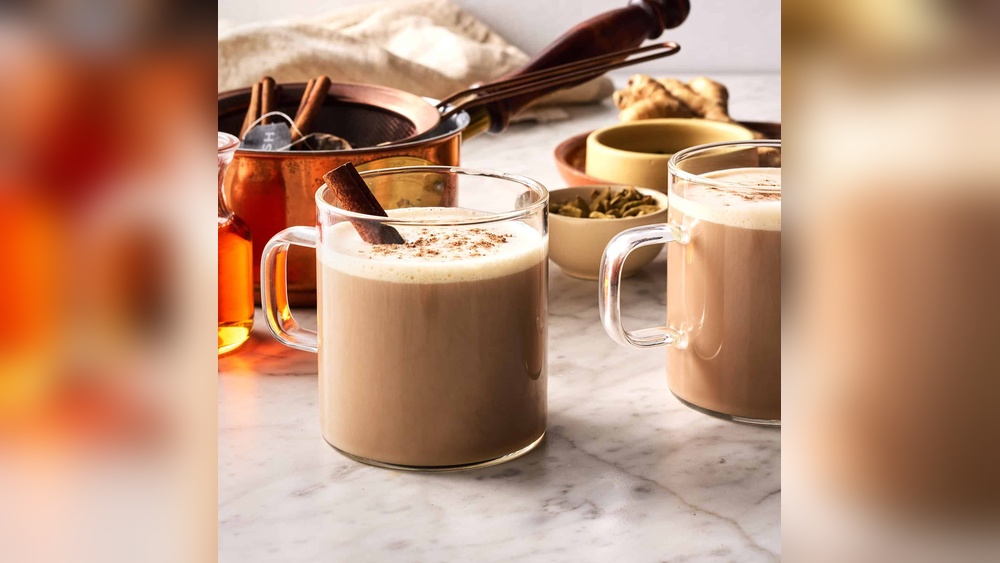
Serve chai latte in clear glass mugs to show the creamy color. A sprinkle of cinnamon or nutmeg on top adds visual appeal. Use a small spoon to swirl the spices gently. Offer a cinnamon stick for stirring, which also adds aroma. Present snacks on a wooden board or simple plate for a cozy feel. Keep the setting neat and inviting.
Serving Temperature
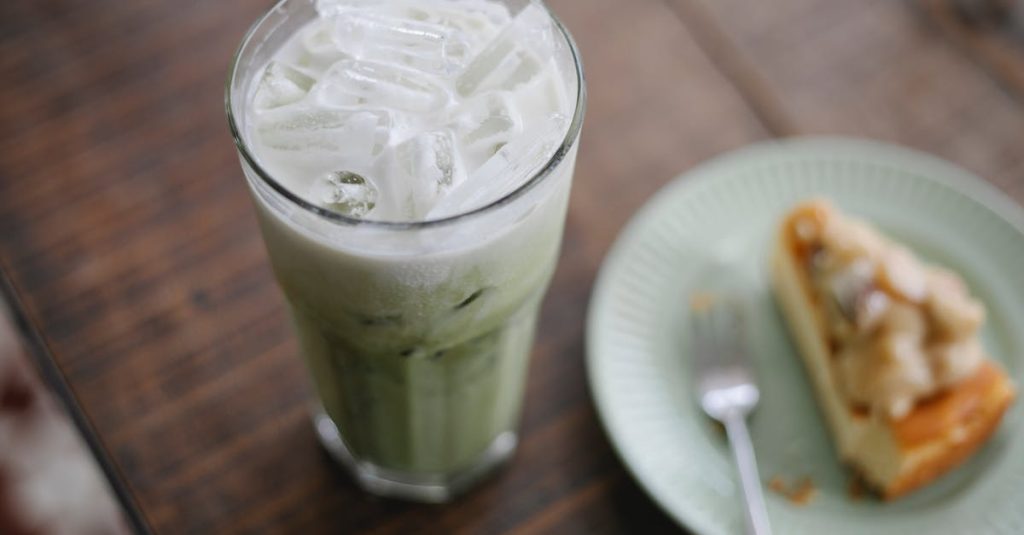
Chai latte tastes best hot but not boiling. Aim for 130°F to 160°F (54°C to 71°C). This range releases spices without burning the milk. Let the chai cool slightly before sipping to enjoy all flavors. For iced chai latte, brew strong chai and chill before mixing with cold milk. Serve over ice with a straw for a refreshing twist.
Common Mistakes To Avoid
Making a perfect chai latte requires attention to detail. Many people make simple mistakes that affect taste and aroma. Avoiding these errors will help you enjoy a balanced and flavorful chai latte every time.
Overpowering Spices
Too many spices can ruin the delicate flavor of chai latte. Strong spices like clove and cinnamon may mask the tea’s natural taste. Use spices in small amounts to keep the drink balanced. A subtle blend lets each spice shine without overwhelming your palate.
Incorrect Brewing Time
Brewing chai latte for too long makes it bitter. Too short brewing gives a weak, watery taste. Aim for a brewing time of 5 to 7 minutes. This allows the tea and spices to release their flavors fully and evenly.
Using Low-quality Ingredients
Fresh and high-quality ingredients are key to a great chai latte. Old or low-quality tea leaves lack flavor and aroma. Stale spices lose their potency and taste dull. Use fresh milk and natural sweeteners for the best results. Quality ingredients create a rich and satisfying drink.

Frequently Asked Questions
What Is In A Chai Latte?
A chai latte contains black tea brewed with milk, water, and sweetened with sugar. It includes spices like cinnamon, cardamom, ginger, cloves, and black pepper. This blend creates a warm, aromatic, and flavorful spiced tea beverage popular worldwide.
Are Chai Lattes Healthier Than Coffee?
Chai lattes contain antioxidants and spices that aid digestion and reduce inflammation. Coffee offers higher caffeine and antioxidants. Both have health benefits; chai may soothe and support immunity, while coffee boosts energy and metabolism. Choose based on personal health goals and tolerance.
Is A Chai Latte A Lot Of Caffeine?
A chai latte contains moderate caffeine, usually less than coffee. Black tea base offers a gentle energy boost without jitters.
Why Do People Drink Chai Lattes?
People drink chai lattes for their rich, warming flavors and health benefits like boosting immunity and aiding digestion. The blend of black tea and spices also enhances energy, reduces stress, and supports heart health, making chai lattes a comforting, flavorful choice.
Conclusion
Chai latte offers a warm and flavorful experience. Its blend of spices brings comfort and health benefits. Drinking chai can boost your immunity and aid digestion. The natural ingredients help reduce inflammation and support heart health. Enjoying a chai latte can also improve focus and calm your mind.
This simple drink fits well into daily routines. Try making your own chai latte for a tasty, healthy treat. A cup of chai can brighten any day with its rich taste.