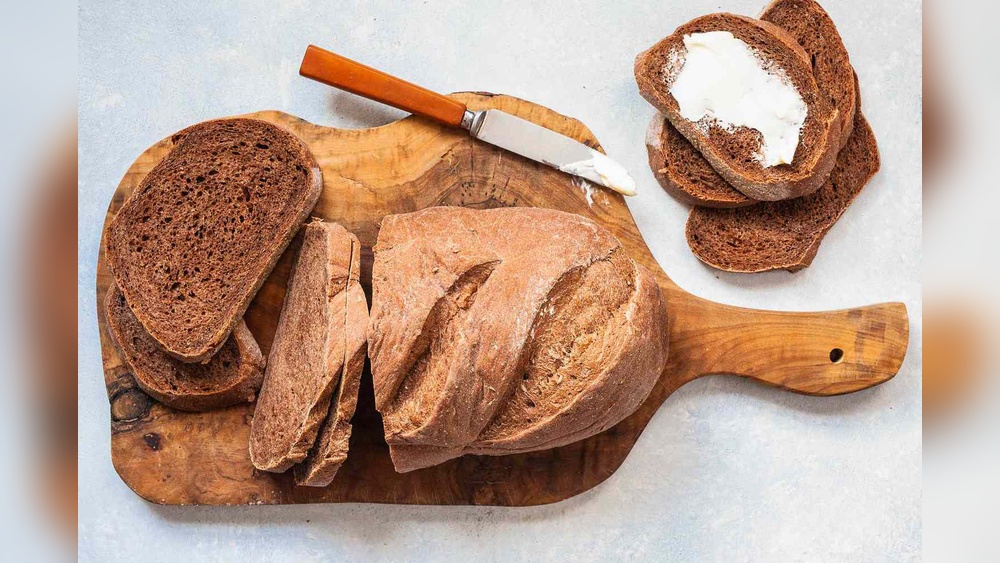
If you love the rich, hearty taste of rye bread, you’re in the right place. Imagine slicing into a fresh loaf with a crisp crust and a soft, flavorful inside that fills your kitchen with a warm, inviting aroma.
This rye bread recipe is simple, rewarding, and perfect for anyone who wants to bake bread that stands out. Whether you’re a beginner or have some baking experience, you’ll find easy steps to help you create a loaf you’ll be proud of.
Ready to impress yourself and your loved ones with homemade rye bread? Let’s get started!
Ingredients Needed
Rye bread has a unique flavor and texture that many people love. To make it right, choosing the right ingredients is key. Each component adds to the bread’s taste and how it bakes. Understanding these ingredients helps create the perfect rye bread every time.
Start with the flour, which is the base of your bread. Then, add other ingredients that improve flavor and structure. Yeast is also important because it makes the bread rise. Knowing which type to use makes a big difference.
Types Of Rye Flour
Rye flour comes in different types based on how much bran it has. Light rye flour is smooth and mild in flavor. Dark rye flour includes more bran and gives a stronger taste. Whole rye flour contains all parts of the grain for a dense texture. Choose the type based on your taste and recipe needs.
Additional Ingredients
Besides rye flour, other ingredients are needed. Water is essential for mixing and activating yeast. Salt adds flavor and controls yeast growth. Sugar or honey helps yeast work better and adds a touch of sweetness. Some recipes use caraway seeds for a traditional rye flavor. Oil or butter can make the bread softer.
Choosing The Right Yeast
Yeast makes bread rise and gives it a light texture. Active dry yeast is common and easy to use. Instant yeast works faster and mixes directly with flour. Fresh yeast is less common but gives great flavor. Pick yeast that fits your baking style and recipe timing.
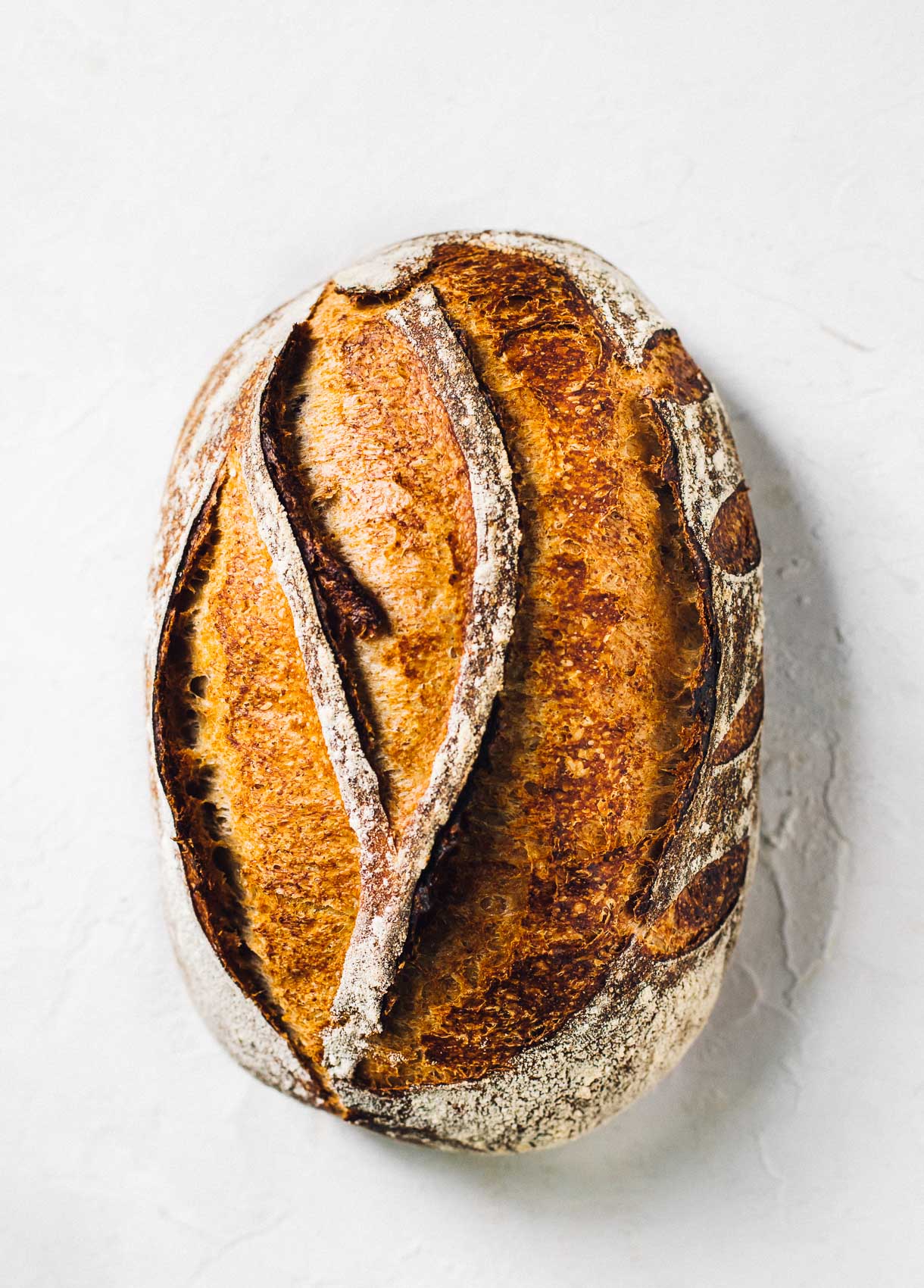
Credit: heartbeetkitchen.com
Preparing The Dough
Preparing the dough is the first step in making delicious rye bread. This stage sets the texture and flavor for the whole loaf. Proper preparation ensures your bread will rise well and taste great.
Mixing Ingredients
Start by measuring your rye flour, water, yeast, and salt precisely. Use a large bowl to combine dry ingredients first. Slowly add water to the flour while stirring gently. Mix until the ingredients come together as a sticky dough. Avoid overmixing at this point to keep the dough from becoming tough.
Kneading Techniques
Kneading helps develop gluten and improve dough texture. Use your hands to fold and press the dough on a clean surface. Push the dough forward, then fold it back toward you. Repeat this motion for about 10 minutes. The dough should feel smooth but still a bit sticky. Stop kneading if the dough tears easily or feels too dry.
Hydration Tips
Rye flour absorbs water differently than wheat flour. The dough needs more water to stay soft and moist. Add water slowly, checking dough consistency as you go. Aim for a dough that is tacky but not too wet. If the dough is too dry, the bread will be dense. Too much water can make it hard to shape.
Proofing The Dough
Proofing the dough is a key step in making rye bread. It allows the yeast to work and the dough to rise. This process helps create a soft texture and rich flavor in the bread. Proper proofing makes the difference between dense and light rye bread.
Ideal Temperature And Time
The best temperature for proofing rye dough is around 75°F to 80°F. Too cold, and the yeast will slow down. Too hot, and the yeast may die. The dough usually needs about 1 to 2 hours to rise well. Keep the dough covered with a clean cloth or plastic wrap. This keeps the surface moist and stops it from drying out.
Signs Of Proper Rise
Look for the dough to double in size. It should feel soft and a bit springy to touch. Press your finger gently into the dough. If the indentation slowly fills back, the dough is ready. If it stays, the dough may be over-proofed. Proper rise means your rye bread will bake evenly and taste better.
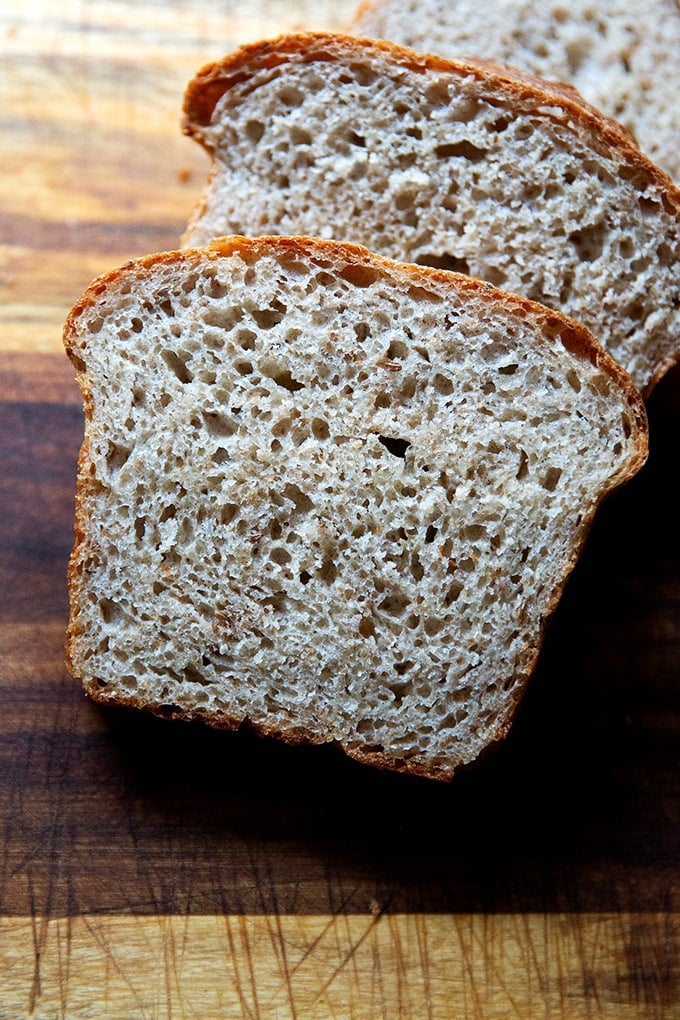
Credit: alexandracooks.com
Shaping The Loaf
Shaping the loaf is a key step in making rye bread. It gives the bread its final form and helps it rise well. Proper shaping creates a good texture and a nice crust. It also makes the bread easier to slice and serve. This step is simple but needs some care and practice.
Forming Techniques
Start by gently pressing the dough to remove air bubbles. Fold the dough edges toward the center. Roll the dough into a tight ball or oval shape. Use your hands to create surface tension. This tension helps the bread keep its shape during baking. Avoid pressing too hard to keep the dough light.
Using A Banneton Or Pan
A banneton basket supports the dough as it rises. Lightly flour the basket to prevent sticking. Place the shaped dough seam-side up in the banneton. If you use a pan, grease it or line with parchment paper. Place the dough seam-side down in the pan. This helps the bread keep its shape and bake evenly.
Baking Process
Baking rye bread is a delicate process that needs care and attention. The right oven settings, steam, and baking time affect the bread’s texture and flavor. Each step helps the bread rise well and develop a nice crust.
Oven Settings And Temperature
Set the oven to a moderate temperature, around 375°F (190°C). This heat helps the rye bread bake evenly. Avoid too high heat to stop the crust from burning. Use the middle rack for best air circulation. Preheat the oven fully before putting in the bread.
Steam For Crust
Steam creates a crispy, shiny crust on rye bread. Add water to a hot tray at the oven’s bottom. The steam keeps the crust soft at first, allowing the bread to expand. After 10-15 minutes, remove the water to let the crust harden. This step is key for a perfect crust.
Baking Time Tips
Bake rye bread for about 30-40 minutes. Check the bread’s color; it should be deep brown. Tap the bottom of the loaf; it should sound hollow. Use a thermometer if possible; the inside should reach 200°F (93°C). Let the bread cool fully before slicing to keep its shape.
Cooling And Storing
Cooling and storing rye bread correctly keeps it fresh and tasty. This step helps the bread keep its shape and texture. Proper cooling stops the bread from becoming soggy or too hard. Good storage protects the bread from drying out or molding quickly.
Cooling Methods
Remove the bread from the oven carefully. Place it on a wire rack to cool. Air must flow around the bread evenly. Avoid cooling bread in a pan or on a solid surface. This traps moisture and makes the crust soft. Let the bread cool for at least one hour. The inside finishes baking and firms up during cooling.
Storage Best Practices
Store rye bread in a paper bag or bread box. These options keep the crust crisp and the inside soft. Avoid plastic bags unless storing for a short time. Plastic traps moisture and softens the crust. For longer storage, wrap bread in foil and freeze it. Thaw at room temperature before eating. Always keep bread away from direct sunlight and heat.
Troubleshooting Common Issues
Baking rye bread can be tricky. Many bakers face common problems that affect the loaf’s texture, crust, and flavor. This section helps you fix those issues easily. Understanding these problems makes your baking better every time.
Dense Loaf Fixes
A dense rye loaf often means not enough rise. Check your yeast is fresh and active. Use warm water to help yeast grow. Avoid adding too much flour; it makes dough heavy. Knead the dough well to develop gluten. Let the dough rise in a warm, draft-free place. Give it enough time to double in size. Use a mix of rye and wheat flour to improve texture.
Crust Problems
A pale crust means the oven may be too cool. Bake at a higher temperature for a crisp crust. Steam in the oven helps create a nice crust. Place a pan of water in the oven during baking. Avoid opening the oven door too often. This can cause the crust to harden or crack. Brush the loaf with water before baking for a shiny crust.
Flavor Adjustments
Rye bread has a strong, earthy taste. To soften the flavor, add a bit of honey or sugar. Use sourdough starter for a tangy taste and better rise. Adding caraway seeds adds a classic rye flavor. Try mixing rye with other flours to balance taste. Let the dough ferment longer for richer flavor. Taste changes with fermentation time and ingredient ratios.
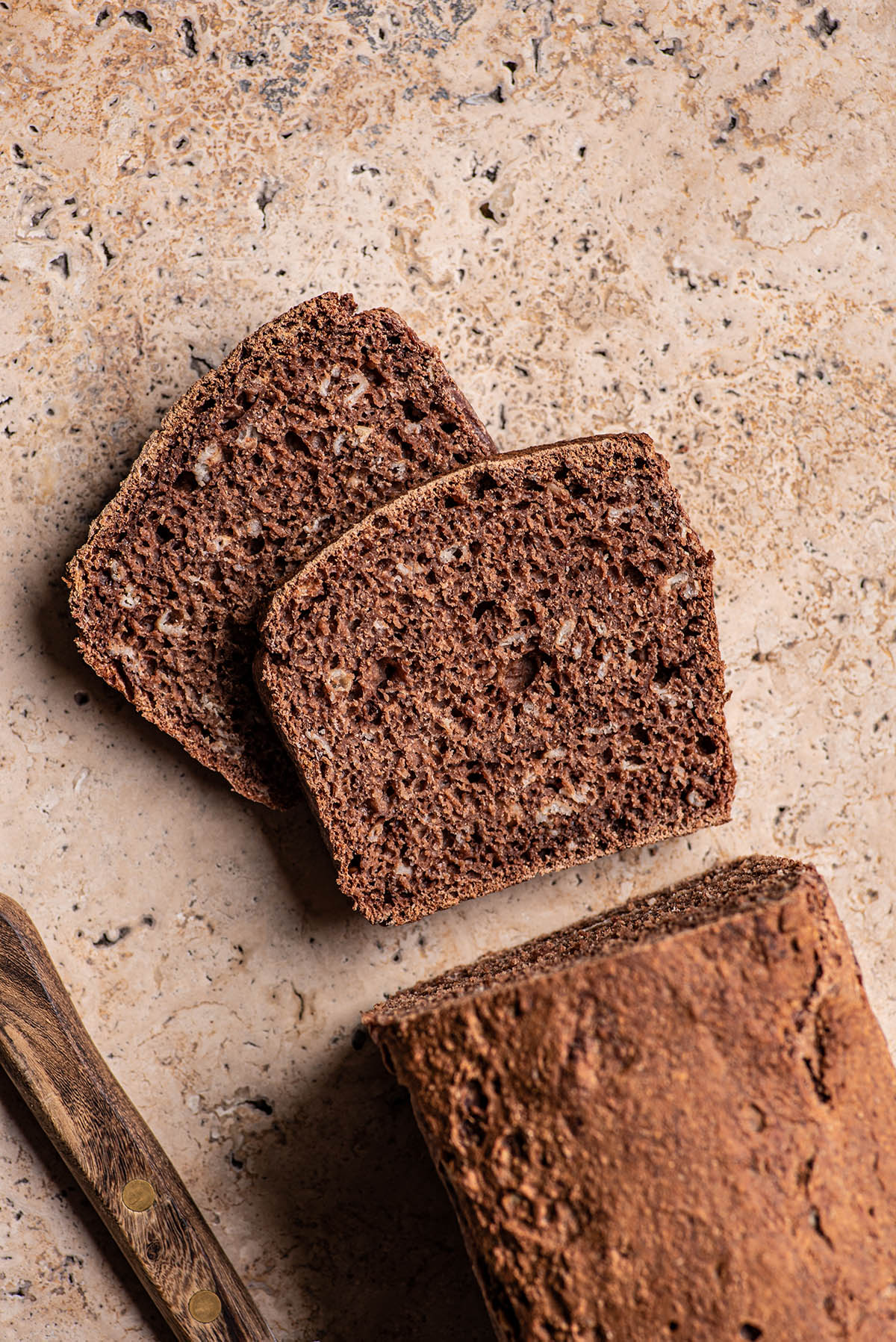
Credit: www.occasionallyeggs.com
Variations And Add-ins
Rye bread is a classic favorite with a rich, earthy flavor. You can change this bread by adding different ingredients. These variations make the bread taste unique and exciting. Small changes bring new textures and flavors. Experimenting with add-ins lets you create your perfect loaf.
Seeds And Nuts
Seeds and nuts add crunch and nutrition to rye bread. Try sunflower seeds, pumpkin seeds, or sesame seeds. These give a nutty taste and crisp texture. Walnuts and pecans work well, too. Chop them finely to mix evenly. They also make the bread more filling and healthy.
Sweeteners And Spices
Sweeteners and spices change the bread’s flavor and aroma. Honey or molasses add mild sweetness and deepen the color. Cinnamon or caraway seeds bring warm, spicy notes. A pinch of cloves or nutmeg adds subtle warmth. These spices enhance the rye’s natural taste without overpowering it.
Frequently Asked Questions
What Ingredients Are Essential For Rye Bread?
Rye flour, water, salt, yeast, and sometimes caraway seeds are essential. These create the distinct taste and texture of rye bread. Using quality rye flour improves flavor and density.
How Long Does Rye Bread Take To Bake?
Rye bread typically bakes for 35 to 45 minutes at 375°F (190°C). Baking time varies with loaf size and oven type. Ensure the crust is firm and internal temperature reaches 190°F.
Can I Use Whole Rye Flour Instead Of Light Rye?
Yes, whole rye flour can be used but yields denser bread. It has more fiber and stronger flavor than light rye. Adjust water quantity as whole rye absorbs more moisture.
How To Store Homemade Rye Bread For Freshness?
Store rye bread in a paper bag or bread box at room temperature. Avoid plastic bags to prevent sogginess. For longer storage, freeze the bread wrapped tightly in foil or plastic wrap.
Conclusion
Baking rye bread at home brings fresh, warm flavors to your table. This simple recipe helps you create soft, tasty bread easily. You can enjoy it with butter, cheese, or soup. Rye bread adds variety and nutrition to your meals.
Try this recipe today and taste the difference. Baking bread can be fun and rewarding. Fresh homemade bread beats store-bought every time. Give it a go and enjoy every bite.